

Rewiring the Soul: 5 Surprising Ways Psychedelics Reshape Who We Are
For centuries we believed personality was fixed, carved in stone by adulthood. A new systematic review — analyzing 48 studies on psilocybin, LSD, and ayahuasca — suggests otherwise: our deepest traits, from Openness to Neuroticism, may be far more malleable than we thought. We explore five key findings from psychedelic science and the philosophical questions they raise about the “self.”
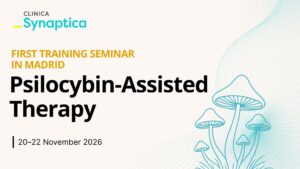
The First Training Seminar on Psilocybin-Assisted Therapy Comes to Madrid
First training seminar on psilocybin-assisted therapy in Spain. Three days of clinical training in Madrid, November 2026. Organised by Clínica Synaptica.

Psilocybin – what is it, and what is its current legal status?
Psilocybin is a naturally occurring psychedelic found in certain mushrooms with a long history of ritual use. Research shows it can alter perception, mood and sense of self, often producing meaningful or mystical experiences. Recent studies highlight potential benefits for depression, anxiety, addiction and grief, linked to temporary increases in brain connectivity and neuroplasticity. Evidence supports structured, high-dose sessions combined with psychotherapy, while microdosing lacks solid support. Despite advanced clinical trials in the US and Europe, psilocybin remains illegal in Spain and is not offered clinically.
Microdosing psychedelics: potential benefits and current evidence
Microdosing psychedelics involves taking sub-perceptual doses of substances such as psilocybin or LSD with the aim of improving mood, cognition and emotional wellbeing. This article reviews current scientific evidence on microdosing, including proposed neurobiological mechanisms, potential benefits for depression and anxiety, cognitive and motivational effects, safety considerations and the role of placebo. While observational studies suggest possible benefits, controlled trials show mixed results, highlighting important limitations and the need for further rigorous research before clear clinical recommendations can be made.
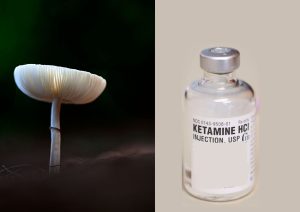
Ketamine vs. psilocybin therapy: a comparative overview
This article compares ketamine and psilocybin-assisted therapies, outlining differences in legality, mechanisms of action, therapeutic uses, safety profiles and patient experience. Ketamine is legally available and offers rapid symptom relief through glutamatergic modulation, making it useful in acute depression and suicidality. Psilocybin, currently illegal outside trials in Spain, acts via serotonin receptors and is associated with longer-lasting psychological change. The article highlights clinical considerations to help patients and professionals choose the most appropriate treatment based on current research and clinical practice.
Psilocybin and depression
Psilocybin-assisted therapy is emerging as a promising approach for depression, particularly treatment-resistant cases where standard antidepressants show limited efficacy and burdensome side effects. Research suggests psilocybin can produce rapid and sustained reductions in depressive symptoms, partly by enhancing neuroplasticity and facilitating meaningful psychological experiences. When embedded in a structured therapeutic model with preparation, dosing, and integration sessions, psilocybin may foster emotional openness, cognitive flexibility, and long-term positive change, highlighting a potential paradigm shift in how depression is treated within modern clinical research frameworks.